
Through distinct approaches to tau biology, four researchers share a goal of understanding the molecular and cellular rules that shape tau-driven diseases.
What if the same protein could take on different harmful forms in different brain cells? What if a long-overlooked chemical change helped determine which form appeared? What if the earliest steps of tau assembly held clues to stopping the process before it spreads?
These are the kinds of questions driving the four projects selected through the 2026 Tauopathy Challenge Workshop. With $3 million in total funding, the Rainwater Charitable Foundation (RCF), in collaboration with the Aging Mind Foundation, the Alzheimer’s Association, and CurePSP, is supporting four teams whose work could open new paths toward diagnostics and treatments for tau-related neurodegenerative diseases.
The awardees—Carlo Condello, PhD, of the University of California, San Francisco; Daniel C. Lee, PhD, of the University of Kentucky; Edward B. Lee, MD, PhD, of the University of Pennsylvania; and Sue-Ann Mok, PhD, of the University of Alberta—will each receive $750,000 over two years.
A workshop built for the questions that come next
Launched by the RCF in 2023, the Tauopathy Challenge Workshop is designed to be more than a scientific meeting. Each year, it convenes researchers with different expertise around a single, urgent question in primary tauopathies—a group of diseases in which abnormal tau builds up in the brain. These include progressive supranuclear palsy (PSP), corticobasal degeneration (CBD) and Pick’s disease.
The Workshop model is deliberately collaborative and forward-looking. Rather than asking scientists to solely present completed work, it creates room to test ambitious ideas, interrogate assumptions, and build connections across fields that do not always work side by side. Participants refine their thinking together, and selected researchers receive support to pursue the most promising ideas. This approach is especially important in primary tauopathies, where limited patient samples, biological complexity, and unanswered basic questions can make early-stage research difficult to fund through conventional pathways.
The 2026 topic went to the heart of the problem: the structural and thermodynamic properties of tau and its interactions with other pathologies. In plain language, the Workshop asked how tau changes shape, assembles and behaves in the brain, and how those changes may influence disease. Tau’s shape, chemical modifications, and cellular environment may help determine which brain cells are vulnerable, how the disease progresses, and which diagnostic or therapeutic strategies have the best chance of working.
The four funded projects approach that challenge from complementary angles. One asks whether tau has cell-specific molecular shapes. Another explores an irreversible chemical modification that could change tau’s behavior. A third examines the architecture of tau pathology within human brain cells. And the fourth searches for the molecular blueprints that drive or disrupt the earliest stages of aggregation.
Carlo Condello, PhD: Looking for cell-specific forms of tau
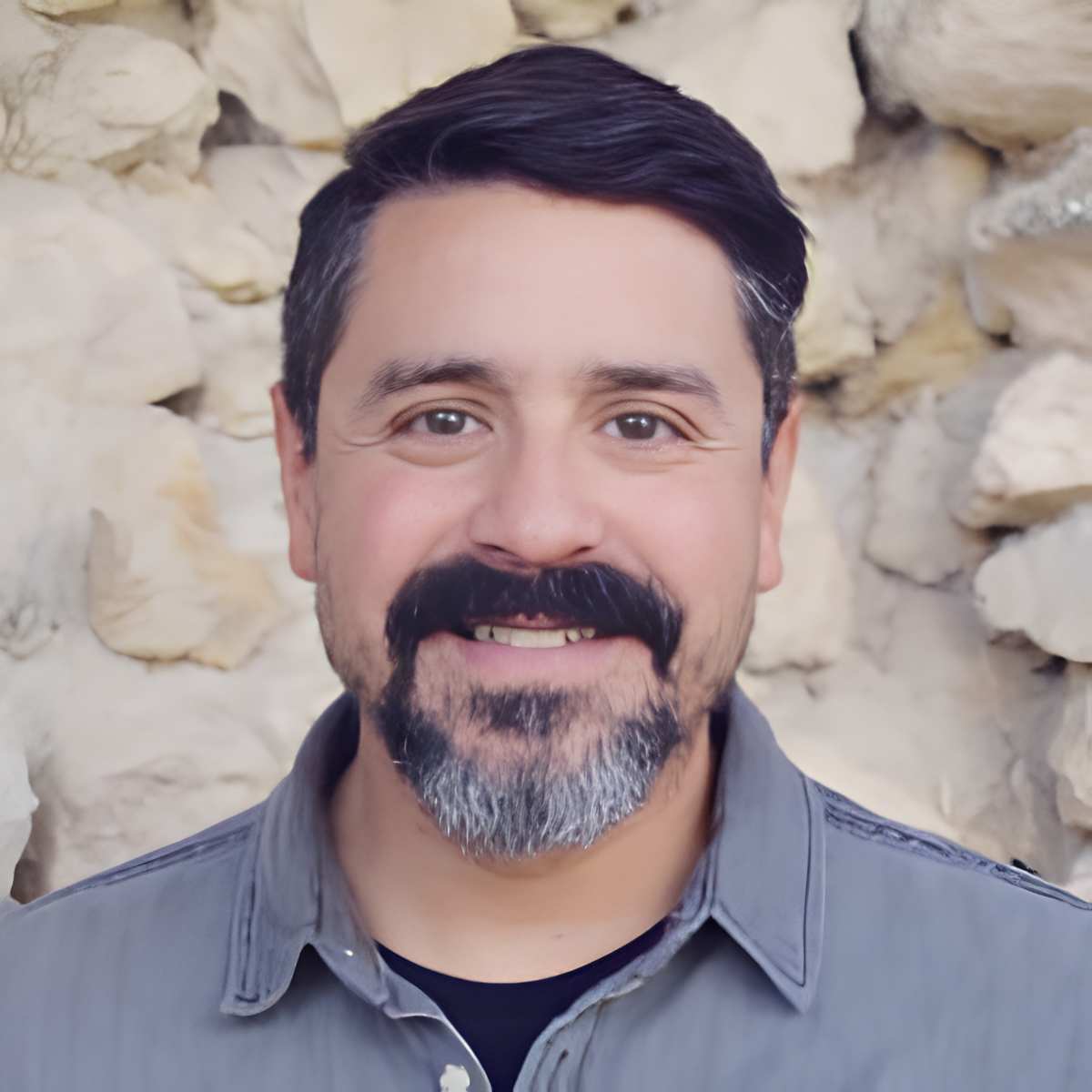
Dr. Carlo Condello’s project focuses on a question with important implications for precision medicine: could tau adopt different disease-associated forms in neurons and glial cells within the same brain?
In PSP and CBD, tau pathology is not limited to neurons. It also appears in glial cells, including astrocytes and oligodendrocytes, which support and protect the brain’s nerve cells. Dr. Condello’s team aims to connect what scientists see in these cells with a detailed understanding of tau’s structure.
The project will examine 4-repeat (4R) tauopathies, including PSP and CBD, using human brain samples, stem cell models, and animal models. The team will investigate whether the environments surrounding different cell types influence the formation of distinct tau conformers—a term scientists use for different three-dimensional forms of the same protein. An important part of the work is EMBER imaging, a technique developed in Dr. Condello’s laboratory. It uses fluorescent dyes and spectral imaging to detect differences in tau deposits in intact brain tissue. The team can then pair those observations with cryo-electron microscopy (cryo-EM) and mass spectrometry to investigate the features behind them.
If neuronal and glial tau have distinct molecular signatures, the finding could reshape how researchers think about disease variation within PSP and CBD. It could also help guide the development of more precise imaging agents, biomarkers, therapies, and tools capable of recognizing the tau biology that is most relevant to a particular patient or stage of disease.
Daniel C. Lee, PhD: An overlooked chemical signal in tau biology

Dr. Daniel C. Lee is investigating citrullination, a chemical modification of tau that has received far less attention than phosphorylation.
Proteins are not static molecules; cells can add small chemical marks after they are made, altering how they fold, interact and function. Phosphorylation is one such mark and has long served as a primary indicator of abnormal tau. Citrullination may be different in a crucial way: it is irreversible. Once a tau molecule is citrullinated, that mark remains.
Dr. Lee’s work asks how citrullination and phosphorylation interact to affect tau structure, aggregation, and disease-associated forms. His team’s early work suggests that the two modifications can reinforce one other in some contexts while diverging in others. Citrullination may also influence whether tau remains accessible to antibodies or assumes particular structural states, questions that matter as the field develops tau-targeting therapies. The project will measure how citrullination changes tau aggregation, structure, and oligomer formation. It will also build tools to help other scientists study the modification. This resource-building component is a vital part of the Workshop’s purpose. A new question can only gain traction field-wide when researchers have reliable ways to investigate it.
For Dr. Lee, the potential impact reaches beyond one molecular mark. If citrullination helps differentiate between disease-associated forms of tau, it could contribute to more specific biomarkers and a clearer framework for understanding the wide spectrum of tauopathies. As related mechanisms may be relevant in other neurodegenerative diseases, the tools and insights generated by this work could have influence beyond tau alone.
Edward B. Lee, MD, PhD: Seeing tau pathology in its cellular neighborhood
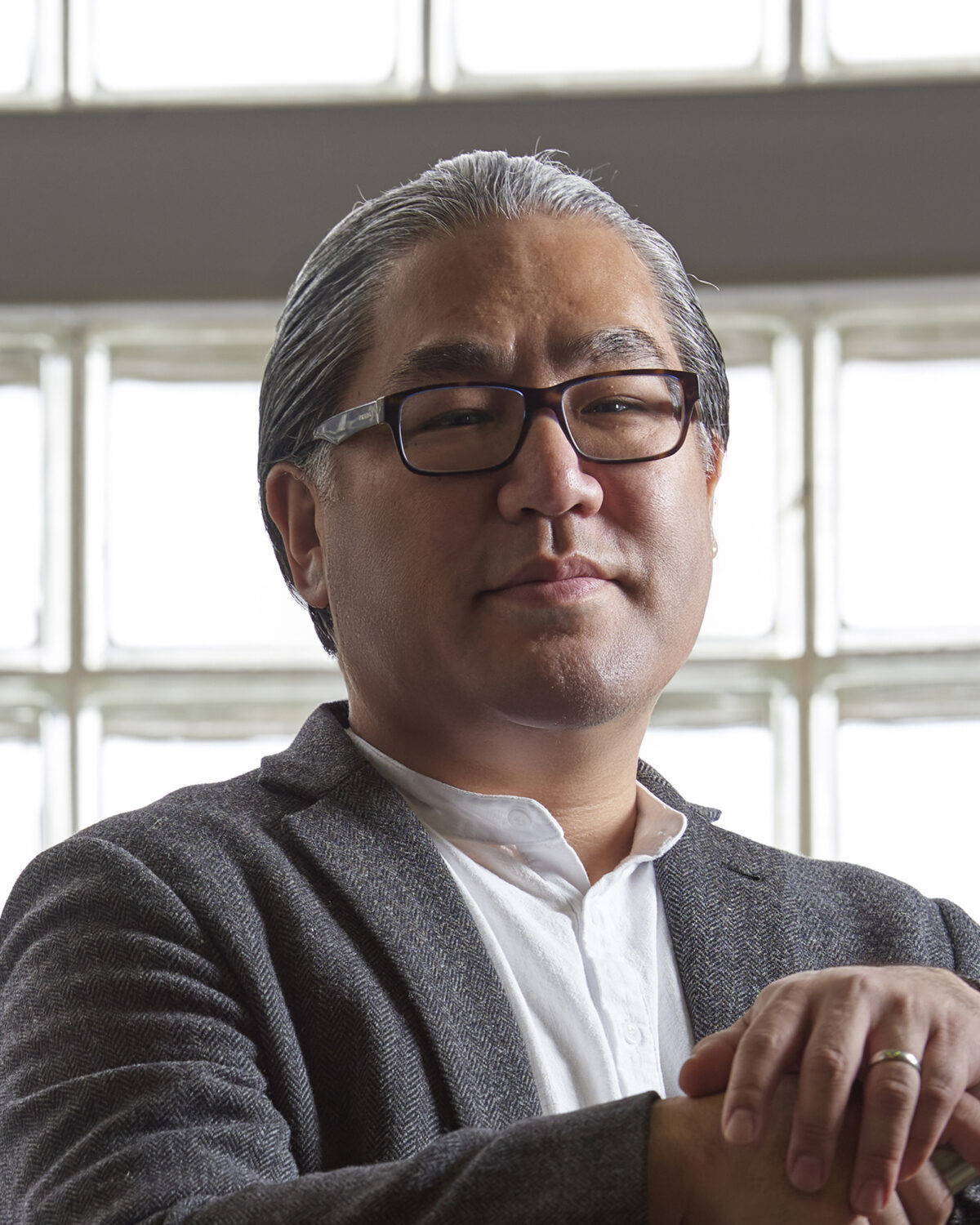
Dr. Edward B. Lee’s project begins with human brain tissue and traces tau pathology from the cells affected by disease to the fibers and structures within them.
PSP involves several brain cell types, including neurons, astrocytes, and oligodendrocytes. Although all can accumulate tau, scientists do not yet know whether tau fibers in these cells form, bundle, and interact with their surroundings in the same way. That could help explain why PSP affects particular brain regions, why symptoms differ among patients, and which cells may be most important to target.
Dr. Lee and his collaborators will use cryo-electron tomography (cryo-ET), a high-resolution imaging approach that can reveal biological structures in three dimensions. Instead of studying purified tau alone, the team aims to examine tau aggregates in a more intact cellular context, preserving information about where pathology occurs and what lies around it. The goal is to understand how tau fibers bundle together and interact with nearby cell structures in different cell types. By identifying what is shared and what is distinct, the project could offer insights into the mechanisms that drive PSP and create a foundation for examining similar questions in CBD, Pick’s disease, and other tauopathies.
Working at this level of resolution in human tissue is technically demanding, but the possible payoff is substantial. A clearer picture of cell-specific tau pathology could point researchers toward new imaging biomarkers, help illuminate how disease spreads through the brain, and reveal features of tau aggregation that future therapies may be able to block.
Sue-Ann Mok, PhD: Disrupting the blueprints of tau aggregation
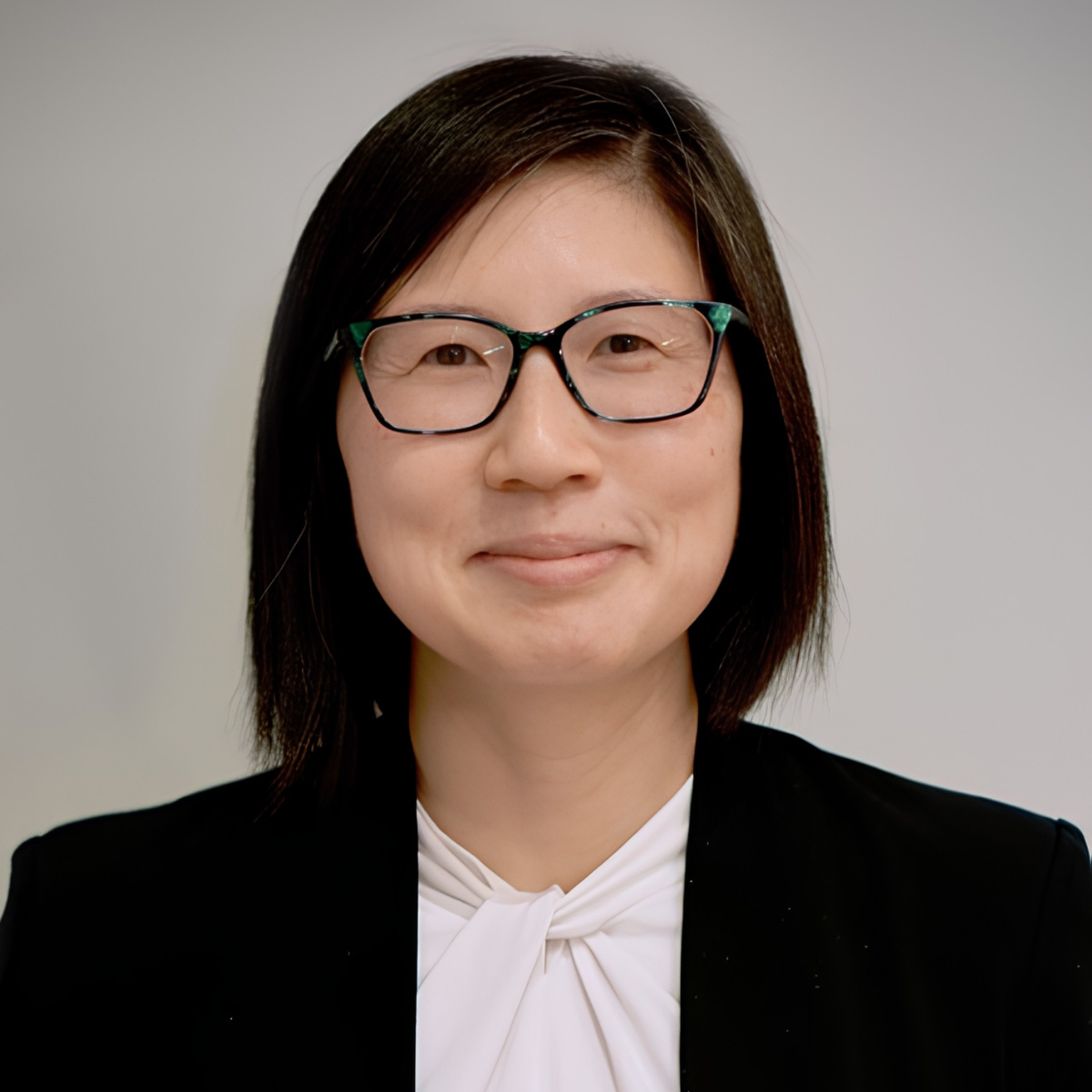
Dr. Sue-Ann Mok is studying what happens at the beginning of tau aggregation, when individual tau molecules begin to assemble into the long, stable structures associated with disease.
Her team describes some of these early molecules as “blueprints.” A disease-associated tau molecule can provide a template that encourages other tau molecules to stack in the same harmful arrangement. But not every version of tau necessarily promotes that process; some may interfere with it. Understanding which molecular blueprints drive and disrupt aggregation could reveal ways to slow or stop the cycle before it gains momentum.
Dr. Mok’s project will compare aggregate structures formed in de novo and seeded tau aggregation reactions. The team will use single molecule mass photometry and cryo-ET to track how different versions of tau organize in the earliest stages of assembly. Their work also draws on high-throughput structural fingerprinting methods that allow researchers to rapidly compare many samples before turning to more intensive, high-resolution analyses. Better rules for how tau assembles can give the field better tools: reagents that model specific forms of tau, ways to test whether potential therapies interrupt aggregation, and clues for diagnostic markers that recognize disease-relevant structures. In the longer term, a tau blueprint that reliably disrupts harmful assembly could inspire new treatment strategies.
Dr. Mok also sees collaboration as essential to this kind of work. Tau is not a simple target; it can take many forms, carry many chemical modifications, and behave differently in different contexts. Meeting that complexity will require researchers to share methods, models, and ideas, not to protect a single piece of the puzzle but to assemble a more complete picture together.
More than four projects
Together, these projects form a connected research agenda. Dr. Condello asks whether cell type helps shape tau’s molecular identity. Dr. Daniel Lee investigates how chemical modifications may direct that identity. Dr. Edward Lee examines how distinct tau assemblies appear in the cellular landscape of human disease. Dr. Mok studies how disease-associated assemblies begin and how they might be disrupted.