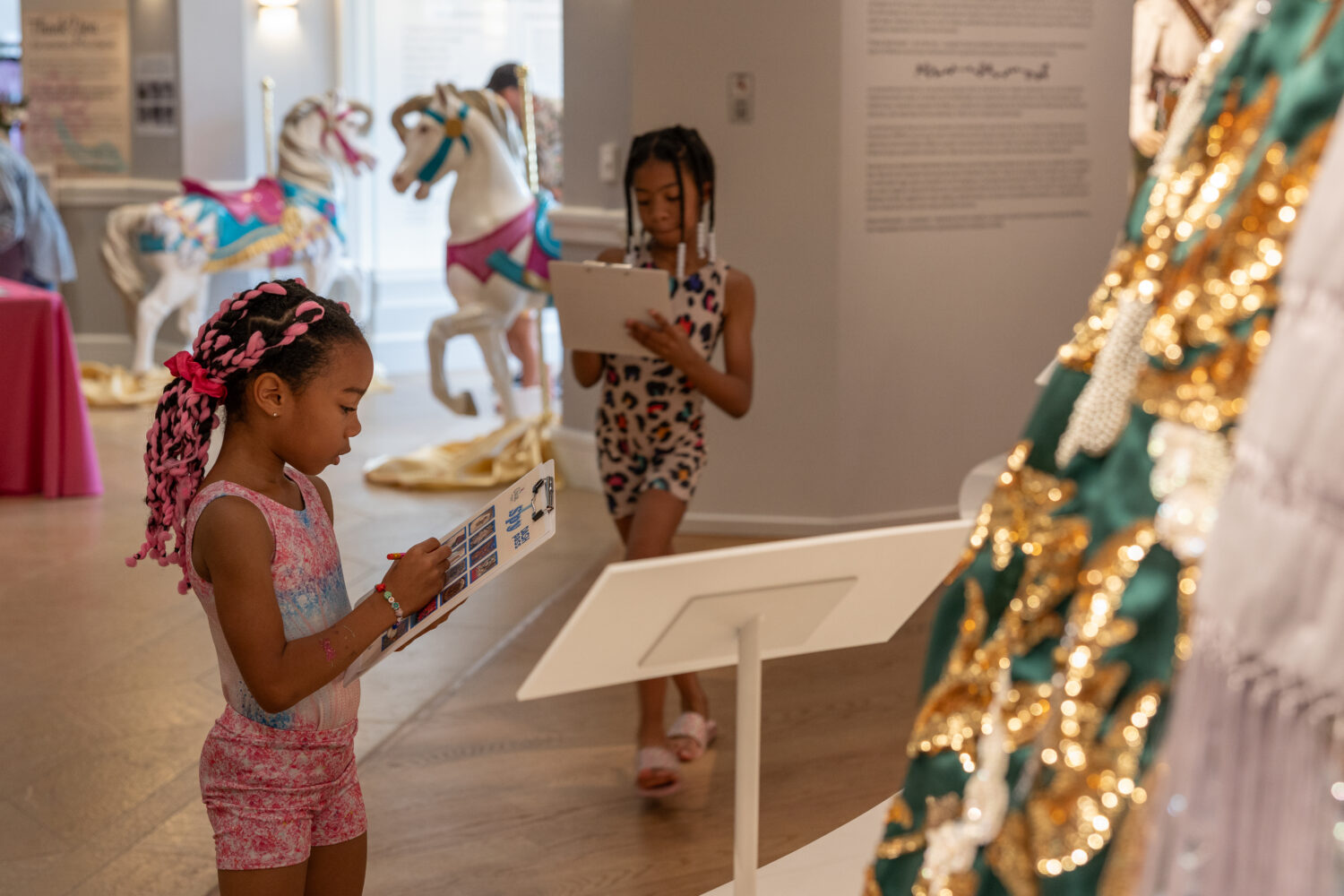
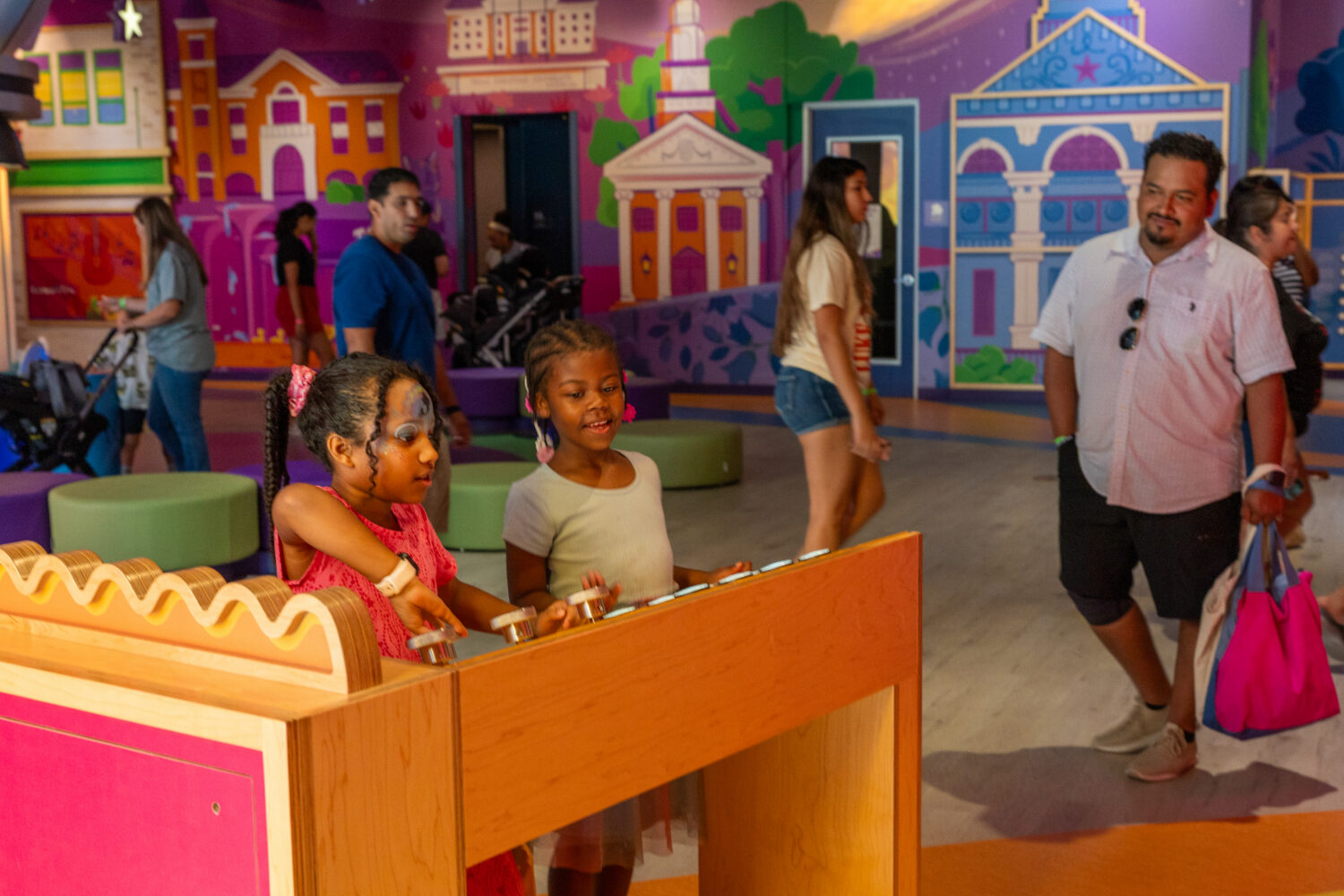
On a summer morning at the Fort Worth Zoo, a family uses a DASH Pass to walk through the gates without worrying about admission costs. Later that month, they may visit a museum, attend a performance, or explore a local garden – all using the same pass.
The “DASH” (Discovering Arts, Science, and History) Pass is a card that gives free access to museums, theaters, and cultural institutions across Fort Worth. But the idea behind it is bigger than free admission. It is about making it easier for more families to say yes to experiences that can spark curiosity, build confidence, and create a sense of belonging.
Research suggests that opportunity accumulates over time. A recent study published in Educational Researcher followed children for 26 years and found that children from lower-income households experienced significantly fewer enriching opportunities than their higher-income peers.1 Those differences were associated with later outcomes, including educational attainment and earnings. The relationship was especially strong for children from low-income households, the same children who had the fewest opportunities available to them.
And too often, access to those opportunities depends on income, neighborhood, transportation, social networks, and whether a family feels welcome at the institution in the first place.
Fort Worth has extraordinary cultural resources. But access is uneven. For many families, admission and parking costs alone can put these experiences out of reach. Add transportation, work schedules, awareness, and the feeling of walking into an unfamiliar institution, and the barrier gets even higher. The DASH Pass program is built with those realities in mind. And while one museum visit may not necessarily change a child’s future, these types of enriching opportunities can contribute to positive outcomes over time.
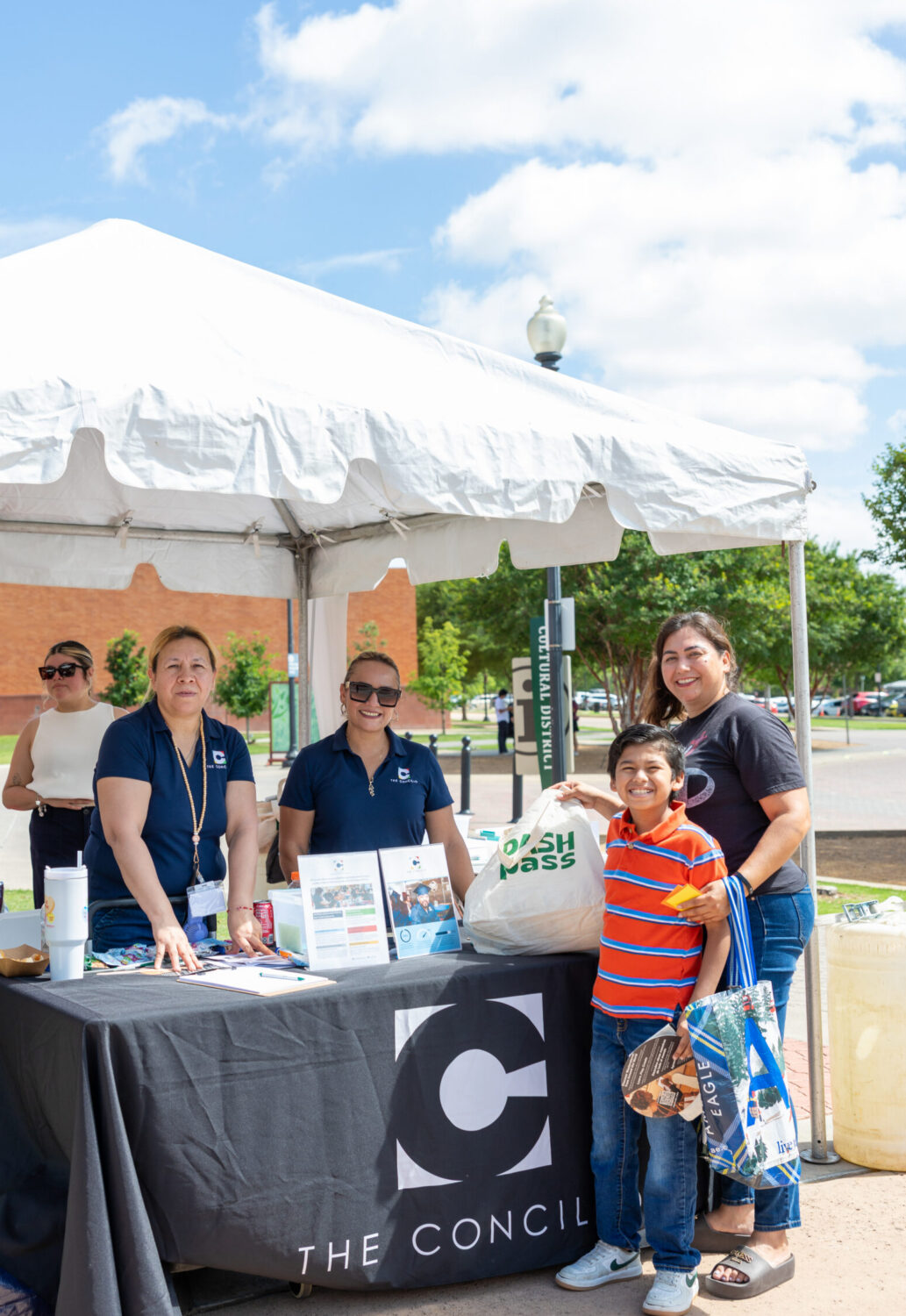
The DASH Pass program brings together cultural institutions, parent-facing organizations, and families, with each partner having a role. Cultural institutions welcome DASH Pass holders and help track usage. Parent-facing organizations connect families to the program and distribute passes through relationships they have already built in the community. Parents use the pass to explore what Fort Worth has to offer.
The program’s cultural partner list includes a wide range of places where children and families can learn and explore: the Fort Worth Zoo, Amon Carter Museum of American Art, Fort Worth Museum of Science and History, Sid Richardson Museum, Kimbell Art Museum, Modern Art Museum, Casa Mañana, DFW Car and Toy Museum, Kinfolk House, Fort Worth Botanic Garden, National Cowgirl Hall of Fame, and the Perot Museum. The parent-facing partners include Parent Shield, United Community Centers, and The Concilio.
RCF’s role in DASH Pass is to convene partners, support implementation, and help the program learn from its results. Which families are using the pass? What encourages repeat visits? What helps families go from receiving the pass to actually using it? What barriers remain after admission is covered? How can community partners help turn a one-time visit into a habit of exploration?
The research reminds us that disparities in access often develop gradually. Leveraging the DASH Pass is one way to begin to address those disparities and help ensure that more children and families have access to experiences that spark interests, build confidence, and strengthen their connection to the community. Because when more families can discover art, science, and history, more children get the chance to discover what is possible.
To learn more about the DASH Pass program and the partners making it possible, visit dashpassfw.com.
- https://www.aera.net/Newsroom/Accumulation-of-Opportunities-Predicts-the-Educational-Attainment-and-Adulthood-Earnings-of-Children-Born-into-Low-Versus-Higher-Income-Households ↩︎