Only 37% of Fort Worth students in grades 3–8 met grade-level reading standards during the 2024–2025 school year, according to the Fort Worth Education Partnership’s 2025 STAAR Data Report. In some parts of the city, that rate falls as low as 26%. For many children, the gap does not close over the summer — it widens.
That reality is what makes the City of Fort Worth’s approach to summer programming worth paying close attention to.
The Challenge: Summer as a Setback — or an Opportunity
Research consistently shows that reading skills can stagnate or decline during the summer months, particularly for students who lack access to structured learning opportunities. For families across Fort Worth, summer break can mean weeks without the reading practice and support that help children stay on track.
The challenge is not unique to Fort Worth. Nationally, summer learning loss is a well-documented pattern, and students without access to enrichment programming tend to fall further behind their peers over time. But in a city where fewer than four in ten students are reading at grade level during the school year, the stakes of an unstructured summer are especially high.
The City of Fort Worth is approaching this challenge by focusing not only on preventing summer learning loss, but also on strengthening literacy skills across 21 community centers.
The Program: Camp Fort Worth
Camp Fort Worth is an eight-week summer day camp program running June 8 through July 31, 2026, at 21 City of Fort Worth community centers. For hundreds of elementary-age children across Tarrant County, it provides a safe, enriching place to spend the summer. In recent years, the City has embedded an ambitious literacy initiative into the program’s core with the goal that campers leave in late July as more confident, capable readers than when they arrived.
The literacy program traces its roots to a pilot that grew out of the REV Partnership’s Extended Learning Collaborative (ELC), a network of Tarrant County organizations committed to improving literacy and math outcomes through collaboration and shared resources. What began as a summer pilot in 2018 has grown into a year-round initiative embedded in both Camp Fort Worth and the City’s After School Program, serving thousands of local youth.
The results reflect what sustained commitment can produce. In 2024, 97% of youth tested either maintained or improved their reading levels over the course of the summer — a meaningful indicator that intentional, structured programming during the summer months can make a real difference.
Going Further: The Literacy Roundup
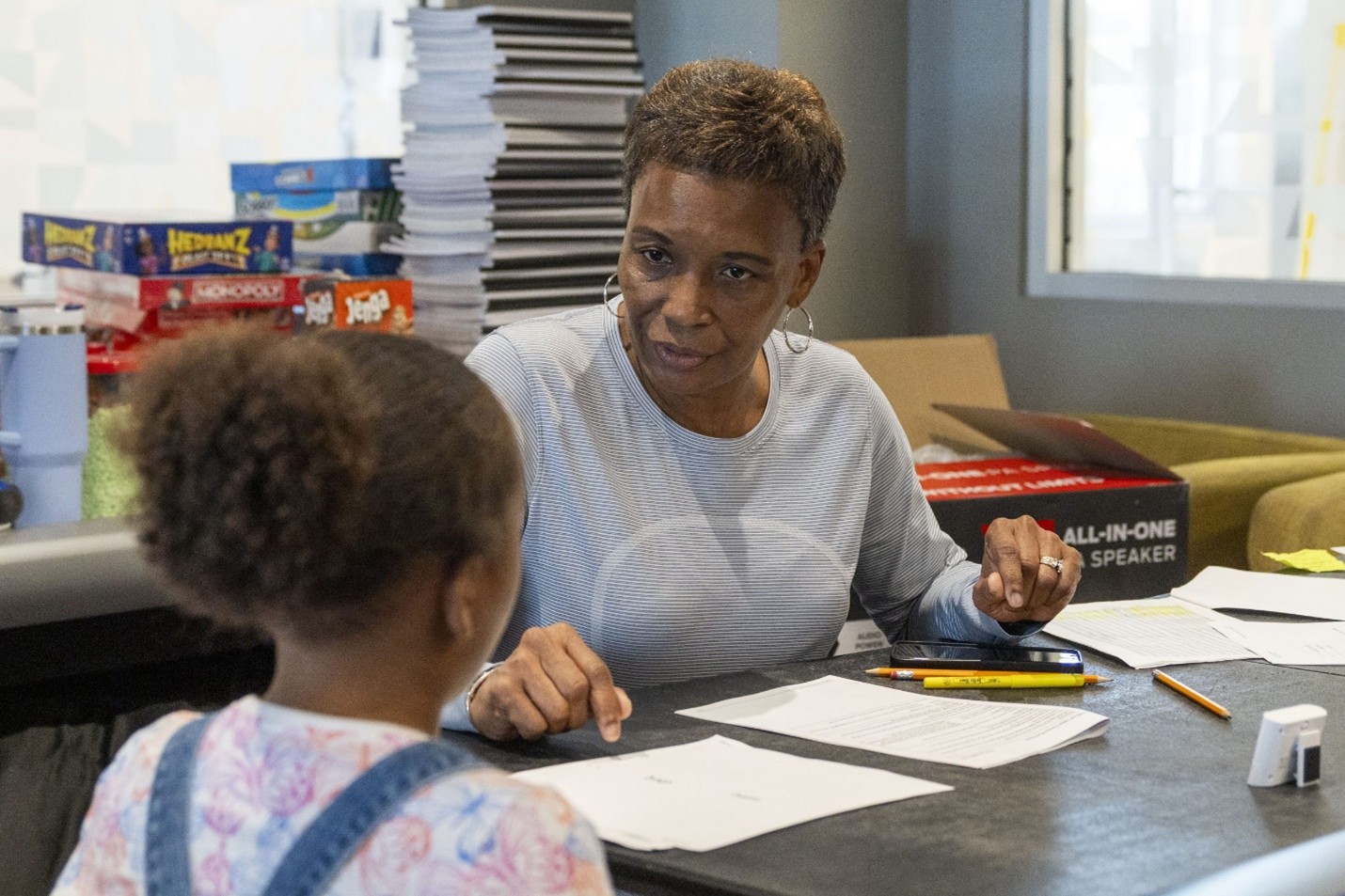
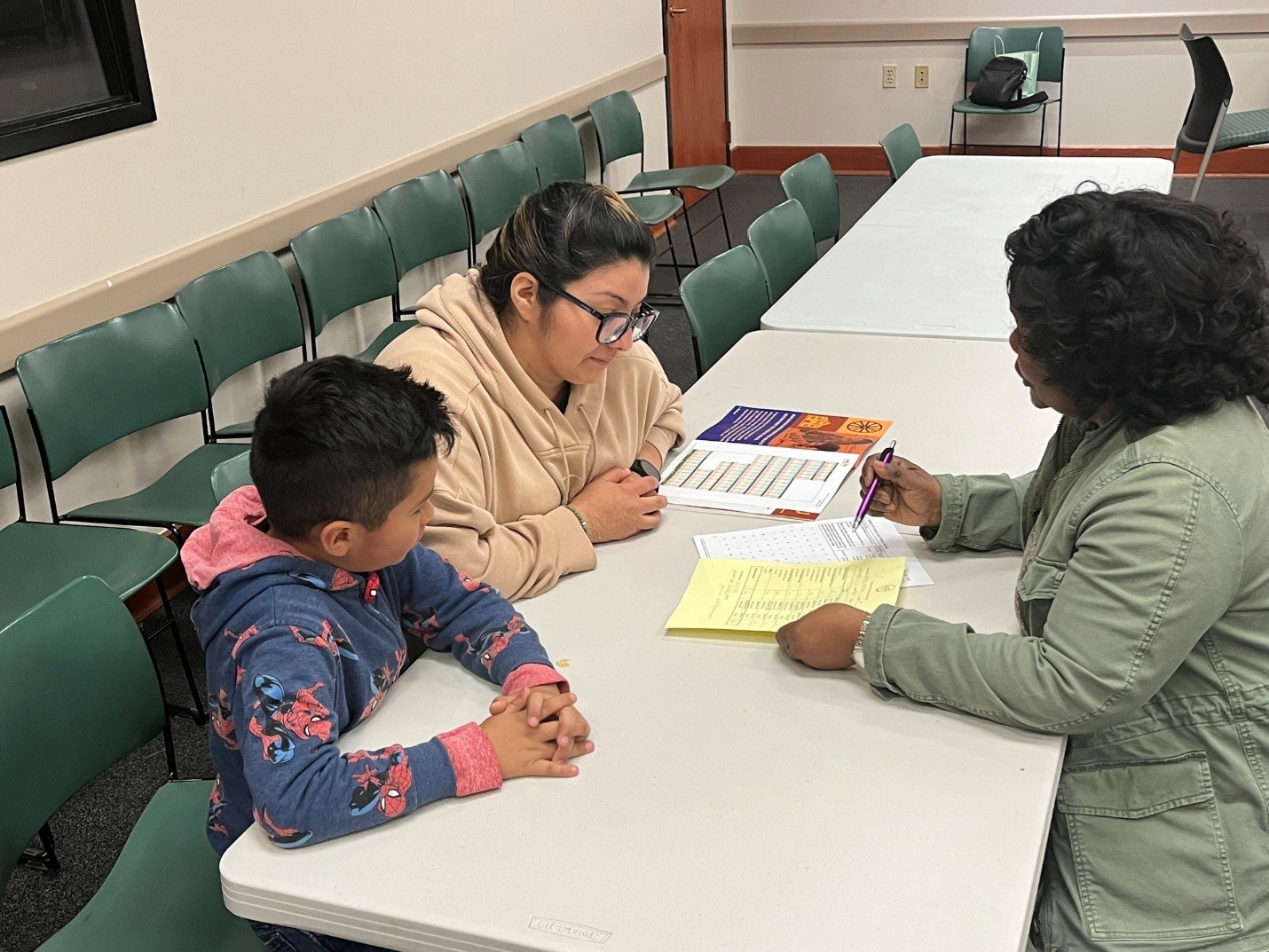
Running alongside the camp’s literacy programming is the Literacy Roundup, a City of Fort Worth initiative offering free, 10- to 15-minute in-person screenings to identify children who may be at risk for dyslexia and other reading challenges. Approximately one in five children has a learning difference such as dyslexia. When literacy needs go unidentified, the gap between struggling readers and their peers tends to grow over time.
In partnership with Go Beyond Grades and the Sid W. Richardson Foundation, the Literacy Roundup screened over 400 children at local libraries and community centers during summer 2025. Of those, more than 145 showed some level of risk requiring further attention. The program connects families with resources and, where needed, with advocates who can help them navigate school support systems.
For 2026, screening capacity is expanding — adding sites across the city to reach more families than ever before.
“Our city’s commitment to literacy is more than words — it’s action. By upgrading curriculum, strengthening staffing, and expanding Literacy Roundup to 13 community centers and 5 libraries, Literacy Roundup, together with Camp Fort Worth, is investing in brighter futures. With partners like the Rainwater Charitable Foundation and the City of Fort Worth, this work becomes not only possible, but transformative.”
— Caroline James, Education Consultant, Sid W. Richardson Foundation
What’s New in 2026
With support from the Rainwater Charitable Foundation (RCF) and the Sid W. Richardson Foundation, alongside the City’s own commitment, the 2026 Summer Camp Literacy Programming is expanding in meaningful ways. Enhancements this summer include:
- Additional Literacy Support Specialists at higher-enrollment sites, with expanded hours of availability
- New Literacy Support Coordinator positions to strengthen coordination across sites, the City Library, and Literacy Roundup screening efforts
- Additional laptops to expand access to literacy software across all 21 sites
- Preassembled Literacy Activity Kits for every community center, stocked with games, hands-on materials, and learning tools
- Literacy Champion Incentives to motivate young readers, including participation in the Mayor’s Summer Reading Challenge and recognition for documented reading hours
Why This Work Matters
Reading is the foundation beneath every other subject. When children return in September having grown as readers over the summer, rather than slipped back, the entire school year begins from a stronger place. For families across Fort Worth, that kind of progress extends beyond academics. It shapes a child’s confidence, their relationship with learning, and their ability to engage fully in school and beyond.
The City of Fort Worth’s approach — embedding literacy programming into existing community infrastructure, screening for reading challenges early, and connecting families to resources — reflects the kind of community-level investment that can help shift outcomes over time. What makes this model particularly notable is its staying power, as it began as a pilot in 2018 and has since grown in both reach and rigor while remaining grounded in evidence.
“A world-class city must be built on a world-class education system, and that starts with literacy as the foundation for every child’s success and future opportunity. Literacy is a shared responsibility that strengthens our workforce, economy, and quality of life, and together we are ensuring every child in Fort Worth has a fair chance to succeed.”
— Mayor Mattie Parker
What We’re Learning and Why RCF Is Involved
The Rainwater Charitable Foundation supports this work as part of our broader commitment to PK–12 education in North Texas. We are particularly encouraged by the City’s long-term, data-informed approach and by the strength of the partnerships driving it forward, including the City of Fort Worth’s Park & Recreation and Library departments, the Sid W. Richardson Foundation, Go Beyond Grades, and the dedicated staff and community members who show up every day of Camp Fort Worth to make sure reading stays front and center.
We look forward to continuing to learn alongside these partners as the program expands in 2026 and beyond.
Get Involved
Camp Fort Worth is still accepting registrations for summer 2026. Visit their website to sign your child up. To learn more about the Literacy Roundup and how to have your child screened, click here. To stay up to date on RCF’s work in K–12 education and other areas across North Texas, sign up for our newsletter here.
Sources
- Fort Worth Education Partnership, 2025 City of Fort Worth STAAR Data Report, August 2025.
- City of Fort Worth Park & Recreation, Literacy Initiatives: Expanding Literacy Access Through Partnerships, 2026.
- Literacy Roundup brochure, “Supporting Your Child’s Reading Journey,” City of Fort Worth, 2026.
- Curriculum Associates, i-Ready Learning
- NWEA, Summer Learning Loss: What We Know, What We’re Learning, 2026.
- The Yale Center for Dyslexia and Creativity, Update on the Connecticut Longitudinal Study, 2022.
- Ferrer, E., Shaywitz, B.A., Holahan, J.M. et al. Early reading at first grade predicts adult reading at age 42 in typical and dyslexic readers. npj Sci. Learn. 8, 51 (2023). https://doi.org/10.1038/s41539-023-00205-7