Today’s working men and women no longer must choose between taking on debt for education or settling for low wages. A new generation of credentialing and upskilling programs is changing that equation, offering pathways that are accessible, future-focused, and potentially low cost (and even in some cases, tuition-free).
The Gap (and Opportunity) Is Real
Here in Fort Worth, thousands of jobs go unfilled every year because there’s a gap between the positions employers are posting and the credentials workers currently hold. At the same time, too many people are working hard without earning wages that can sustain a family.
The data tell a compelling story. Georgetown University estimates that by 2031, 72% of U.S. jobs will require some form of postsecondary credential. Nearly one in five of those “good jobs” (those with median pay around $82,000) will be accessible to workers with more than a high school diploma but less than a four-year degree.
The demand is especially acute for skilled trade workers. For example, the construction industry will need to recruit 100,000 additional new workers to meet growing demand next year, according to Associated Builders and Contractors. These aren’t minimum-wage positions. Plumbers, electricians, pipefitters, and boilermakers all earned mean hourly wages above the national average of $31.50 in 2023. Elevator and escalator repair technicians—a trade requiring an apprenticeship versus a college degree—averaged more than $48 an hour.
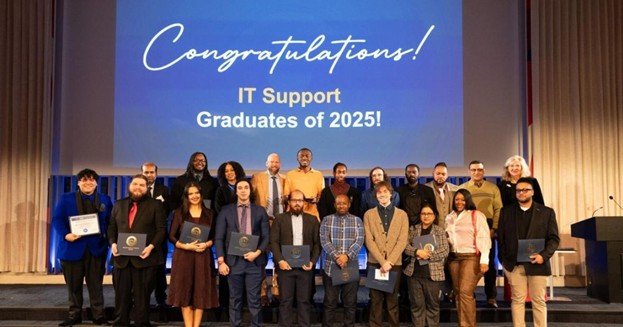
Some upskilling programs do a particularly good job of ensuring that new skills lead to employment. Per Scholas, a nonprofit that provides tuition-free tech and AI-enabled job training in 25 U.S. cities, serves both individuals looking to upskill into better paying jobs, as well as companies looking to hire new qualified candidates for open roles (or upskill or reskill their current teams to grow their business). These types of programs help build a much-needed pipeline transforming underemployed talent into professionals making family-sustaining wages while also helping employers with the talent gap holding back their business growth.
Many Workers Already Have What It Takes
Millions of Americans have built real, valuable expertise through years of work experience, military service, caregiving, or simply navigating hard circumstances. But too often, that expertise goes unrecognized because it isn’t attached to a formal credential. Without credentials, employers have difficulty ascertaining the level of experience an applicant actually has. Veterans, for instance, may leave the military with deep technical expertise but no clear pathway to translate it into a civilian career. That’s the gap programs like NPower Texas are designed to fill— providing tuition-free tech training, certifications, and job placement specifically for Dallas-area veterans and their spouses.
Programs That Open Doors
The best credentialing and upskilling programs share a few things in common. They translate real-world experience into recognized, stackable credentials that workers can earn while staying employed. They partner directly with employers so the credentials they offer actually lead to jobs, not just certificates. They remove financial barriers with low-cost or no-cost training for people who can’t afford to stop working. And they are designed for people who’ve often been overlooked by traditional education — veterans, career changers, and parents re-entering the workforce.
Many of these programs are built to reach people where they live and work – in cities, online, and through community partners. Skilled Texas, with locations in six states, supports adults with tuition-free training in high-demand fields, paired with wraparound support services. The Center for Transforming Lives runs a career development program in Fort Worth designed specifically for single mothers who need workforce readiness support.
Some workers face more complex barriers and need specialized support to gain a foothold in the workforce. Bridges from Work to School operates in 10 major cities and focuses on supporting young adults with disabilities through the power of a job — a reminder that meaningful employment is one of the most direct routes to independence and dignity. Dallas-based Nomi Network creates pathways to safe employment for survivors of sex trafficking and exploitation in the U.S., India, and Cambodia, transforming lives through economic opportunity.
No Tradeoff Required
The tradeoff between taking on debt or settling for low wages is no longer necessary. High-quality programs now demonstrate that individuals can increase earnings without incurring burdensome debt, though research is required by job seekers to find proven programs.
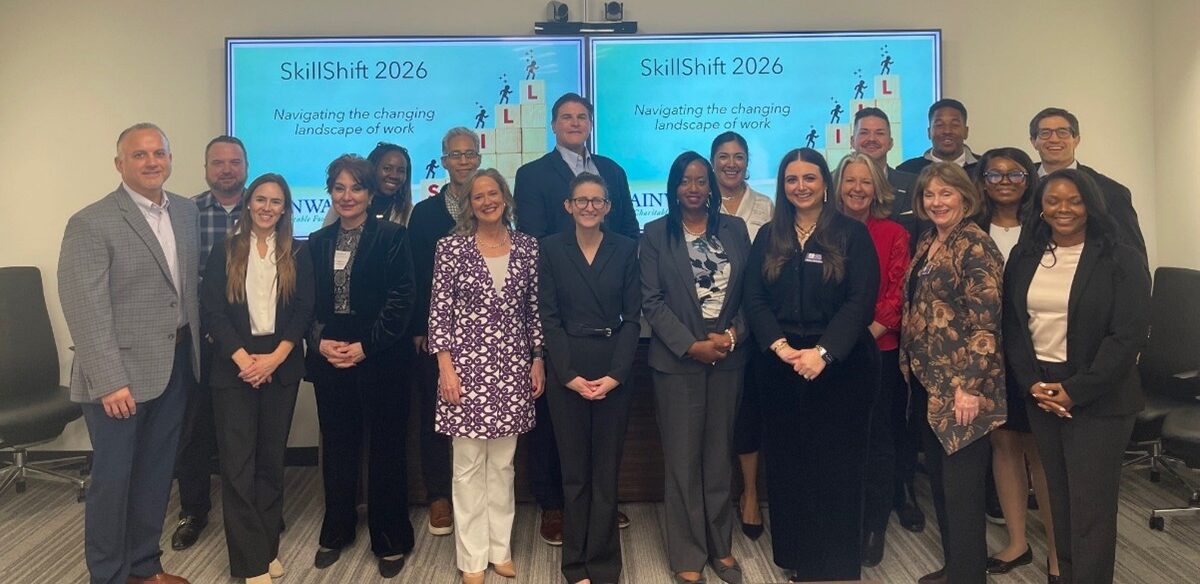
The Rainwater Charitable Foundation supports programs that deliver for both workers and employers. We welcome inquiries from individuals seeking these opportunities, organizations interested in supporting them, and program leaders whose models merit consideration.
For more information or to engage, please contact information@rainwatercf.org.